




Love pets!
Copyright © 2025 Pamper My Pet Supplies . All rights reserved.

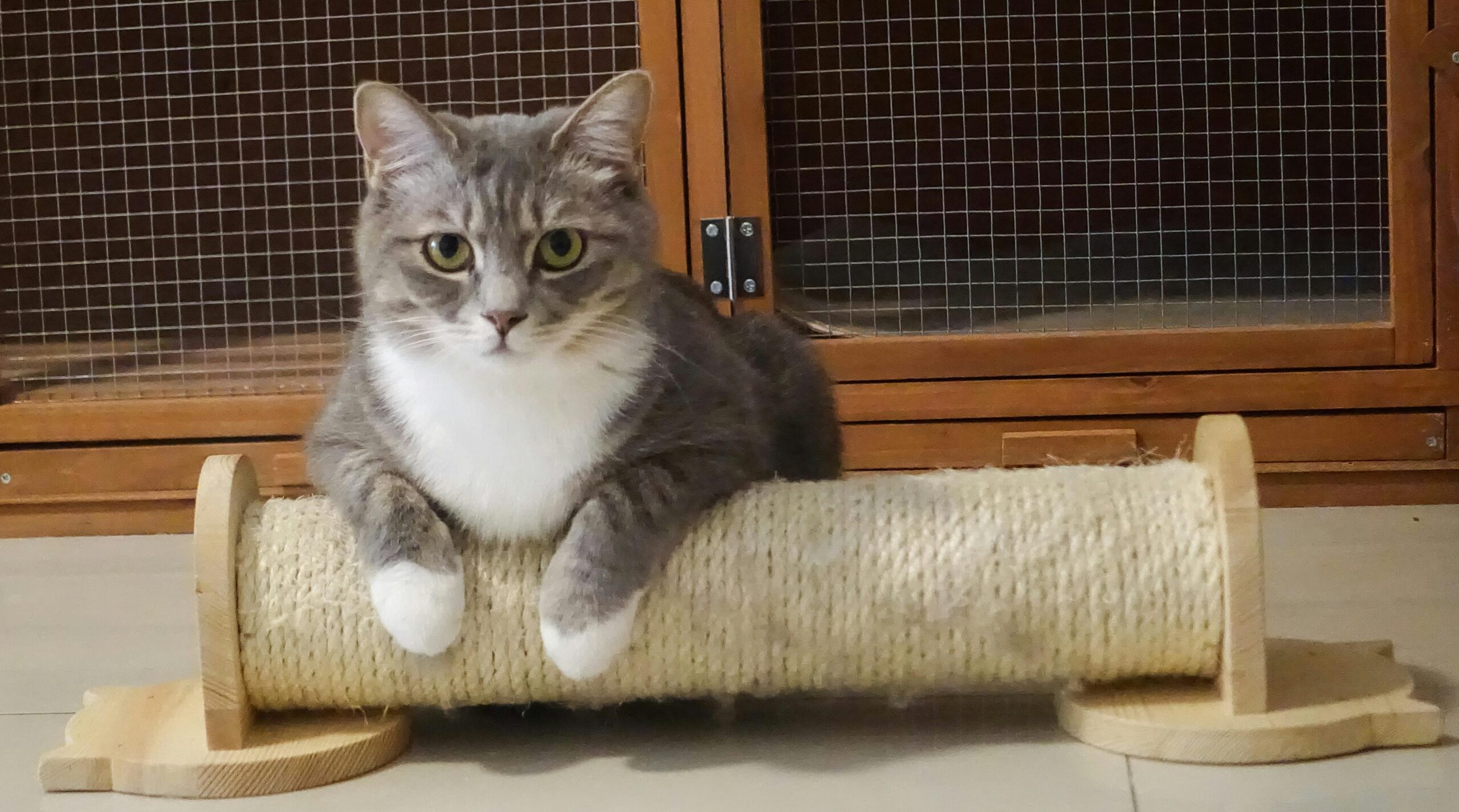
Cats are natural scratchers. While this behavior might test your furniture’s durability, it’s an essential activity that helps cats maintain their claws, stretch their muscles, and relieve stress. Providing the right type of cat scratcher is not only a way to protect your home but also a method to support your cat’s physical and mental health. But with so many options available, how do you choose the perfect scratcher for your feline friend? Understanding your cat’s habits and preferences is the key.
Scratching is a deeply ingrained feline behavior. Cats scratch for several reasons: to mark territory, to stretch their bodies, to keep their claws sharp, and to release pent-up energy. The type of scratching a cat prefers often varies based on age, size, and personality. For example, some cats prefer vertical surfaces, while others gravitate toward horizontal ones. Recognizing your cat’s preferred scratching style can help you select the right scratcher that your cat will actually use.
Cats also have material preferences. Many cats favor rough surfaces that provide resistance for their claws. Some enjoy the natural texture of sisal rope, while others prefer the softer feel of carpet. Observing your cat’s current scratching habits—whether it’s the couch, a cardboard box, or a carpeted post—can provide clues to the textures and styles they are likely to enjoy.
One of the first decisions to make is whether to choose a vertical or horizontal scratcher. Vertical scratchers, such as posts and towers, allow cats to stretch upward, extending their bodies fully while scratching. This is particularly beneficial for larger cats or those who like to stretch after a nap. Vertical scratchers are ideal for cats that enjoy climbing or standing while scratching, and they often double as play structures when combined with perches or dangling toys.
Horizontal scratchers, on the other hand, provide a surface for cats to dig their claws downward. Many cats instinctively enjoy horizontal scratching because it mimics the natural behavior of kneading and digging. Flat or angled horizontal scratchers, often made from corrugated cardboard or carpet, can be placed on the floor in strategic locations to protect furniture or encourage healthy scratching behavior.
Some cats prefer both types, so offering a combination of vertical and horizontal options may ensure your cat’s needs are fully met. Observing your cat’s stretching and scratching patterns can help determine which type they favor.
Material choice is just as important as shape. Sisal, a natural fiber derived from the agave plant, is durable and provides a satisfying texture for cats to dig into. It is excellent for cats that like to sink their claws deeply and enjoy resistance while scratching. Sisal posts or mats are long-lasting and generally a good investment for enthusiastic scratchers.
Carpeted scratchers are softer and can be appealing to cats that prefer gentle surfaces or those that scratch with less intensity. Carpet provides a familiar texture that many indoor cats recognize, especially if they already scratch carpets or rugs in your home. However, carpet can wear down more quickly than sisal and may need to be replaced more often.
Some scratchers combine materials—like a carpeted platform with sisal-wrapped posts—to cater to multiple preferences, making them versatile choices for multi-cat households or cats with varied scratching habits.
Observing your cat is key. Take note of where and how your cat likes to scratch. Do they stand tall and extend their claws, or do they dig downward while kneeling? This will guide you in selecting vertical, horizontal, or combination scratchers. Cats can be rough on scratchers, so materials like sisal tend to last longer than carpet or cardboard.
Placement matters too. Position scratchers near favorite sleeping areas or next to furniture they tend to scratch. Cats are more likely to use a scratcher if it’s conveniently located. Make sure the scratcher is tall or long enough for your cat to fully stretch. A scratcher that’s too small may not be satisfying and could lead your cat back to furniture. Offering multiple scratchers with different materials and orientations can encourage healthy scratching and prevent boredom.
Choosing the perfect cat scratcher requires understanding your cat’s natural scratching behavior and preferences. Vertical and horizontal scratchers serve different purposes, and materials like sisal and carpet appeal to different cats. By observing your cat and providing a variety of scratching options, you can protect your furniture, support your cat’s physical and emotional health, and create a happier environment for both you and your furry friend. Investing in the right scratcher isn’t just about saving your sofa—it’s about giving your cat the tools they need to thrive. Check out our collection of cat scratchers here https://pampermypetsupplies.com/product-category/pet-beds-furniture/
Love pets!
Copyright © 2025 Pamper My Pet Supplies . All rights reserved.